
Winter Garden Care (Prune & Protect)
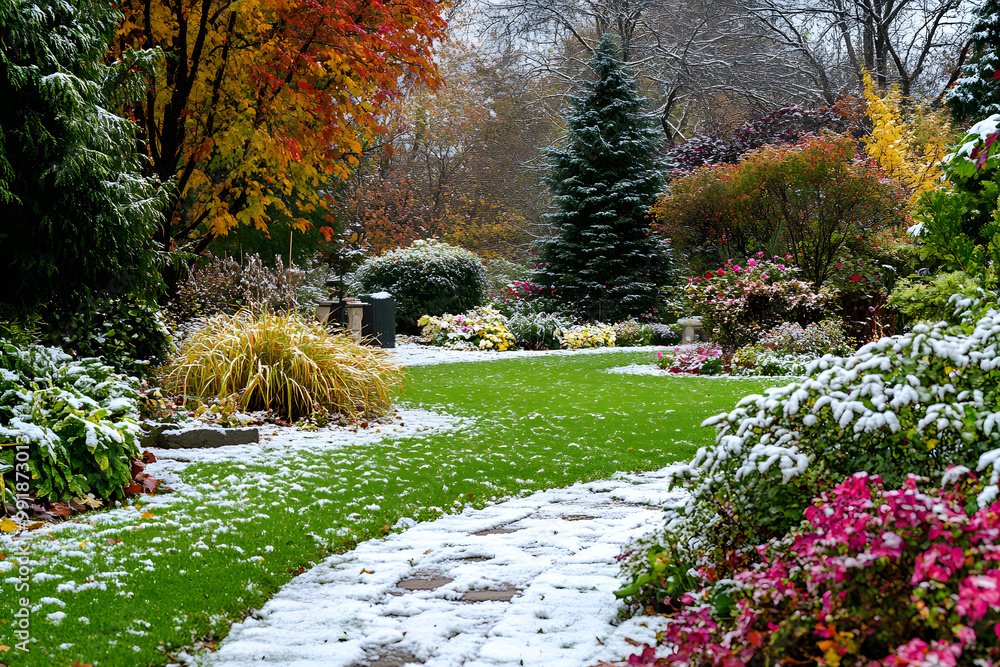
Winter Garden Care Checklist
Prune and Protect for the Season Ahead
Winter is when gardens are most vulnerable.
Growth has slowed. Leaves have dropped. Storms arrive with more force, soils stay saturated longer, and structural weaknesses are easier to see. What happens in winter often determines what damage is avoided in spring.
This winter garden care checklist is not about productivity. It is about protection, prevention, and long-term health. Use it to orient yourself to what matters now and to reduce avoidable loss before the growing season returns.
Why Winter Garden Care Matters
Many garden problems do not begin in spring or summer. They begin quietly in winter.
Structural weaknesses fail under wind or snow
Diseases and fungal issues overwinter on plant material
Saturated or compacted soils weaken roots long before growth resumes
Thoughtful winter care reduces risk and allows gardens to re-enter the growing season with strength rather than recovery work.
1. Prune for Structure and Safety
Winter is one of the best times to prune many trees and shrubs.
Remove dead, damaged, or crossing branches
Reduce structural risk before winter storms
Improve airflow and light penetration for spring
Shape young trees to support long-term strength
Dormant pruning allows plants to recover with less stress and reduces the spread of disease.
Good pruning is not aggressive. It is selective, informed, and intentional.
2. Protect Plants from Winter Stress
Winter stress often comes from exposure rather than cold alone.
Stake vulnerable trees and shrubs to prevent wind damage
Protect young plantings from heavy rain and frost
Mulch roots to stabilize soil temperature and moisture
Shield sensitive plants from fluctuating conditions
Protection now helps plants emerge in spring with energy intact rather than depleted.
3. Reduce Disease and Pest Pressure
Many insects and diseases survive winter on plant debris and bark.
Remove diseased or infested plant material
Apply dormant sprays where appropriate
Clean up invasive or problematic species
Dispose of affected material responsibly
This quiet work significantly reduces pest and disease pressure later in the growing season.
4. Observe Drainage and Storm Patterns
Winter reveals what summer hides.
Where water pools or drains poorly
Which trees and structures are most exposed
Which paths and beds experience erosion or compaction
These observations help guide future improvements and prevent repeat damage.
Optional support
We can assess drainage patterns and soil conditions during winter and help plan corrections or improvements before spring work begins.
5. Protect Soil and Roots
Healthy soil is the foundation of resilience.
Avoid unnecessary disturbance in wet conditions
Keep soil covered with mulch or organic matter
Protect newly planted trees and shrubs from saturation
Supporting soil life in winter improves plant health long before growth resumes.
6. Address Small Issues Before They Escalate
Winter is an ideal time to handle issues that are harder to address later.
Structural pruning and tree support
Clearing invasive growth
Repairing beds, paths, and garden edges
Stabilizing slopes or exposed areas
Small interventions now often prevent costly repairs or plant loss later.
7. Care for Tools and Garden Infrastructure
Winter is a natural pause point for maintenance.
Clean and sharpen tools
Drain and store hoses and irrigation systems
Check trellises, fences, and garden structures
Prepare greenhouses and storage areas
This preparation reduces spring delays and equipment failure.
Seasonal Garden Care
Winter garden care is part of a larger seasonal rhythm.
Each season builds on the last, creating gardens that are easier to care for and more resilient over time.
Support That Fits Your Garden
Some people work through winter garden care on their own. Others prefer support that ensures pruning, protection, and preventative care are handled properly.
Our Prune and Protect services may include:
Structural pruning and shaping
Tree staking and plant protection
Dormant sprays where appropriate
Winterizing plants, beds, and garden systems
Cleanup and responsible disposal
This work is designed to reduce risk through winter while setting the stage for healthy spring growth.
Looking Ahead to Spring
Winter care naturally leads into spring preparation. Gardens that are pruned, protected, and observed through winter are easier to guide once growth resumes.
If you are unsure what level of support makes sense for your garden, a conversation is often the simplest place to begin.