
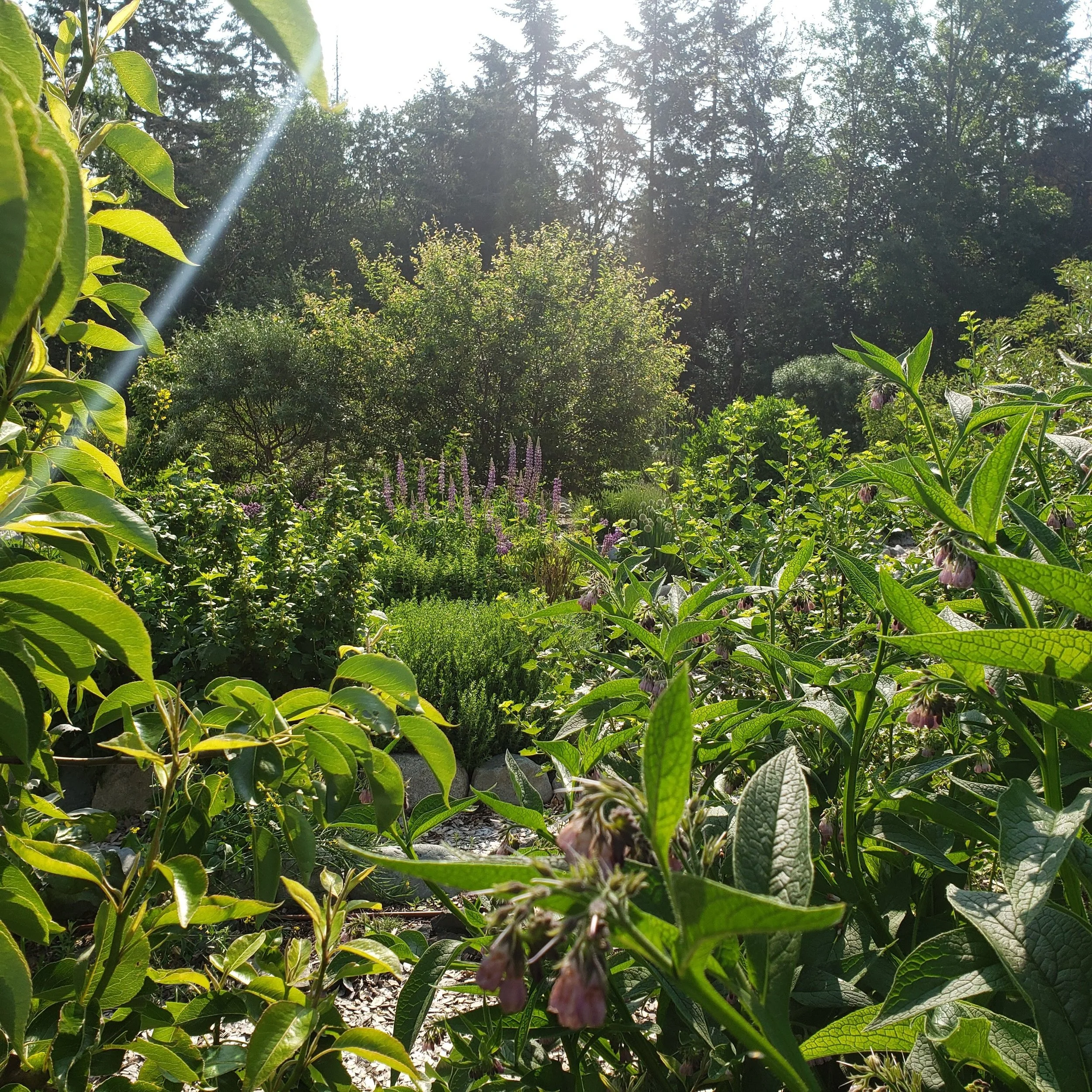
Learn
Learning to work with living systems
Gardens don’t respond well to rigid formulas.
They respond to attention, timing, and care.
Much of what we do at Edible Landscapes Design is about learning how to see more clearly — how soil, plants, water, climate, and people interact over time. That learning doesn’t happen all at once. It unfolds through seasons, experience, and practice.
This page is a place to share what we’ve learned, what we’re still learning, and what may help you feel more grounded as you begin or continue your own journey with food gardens.
Seasonal Garden Care
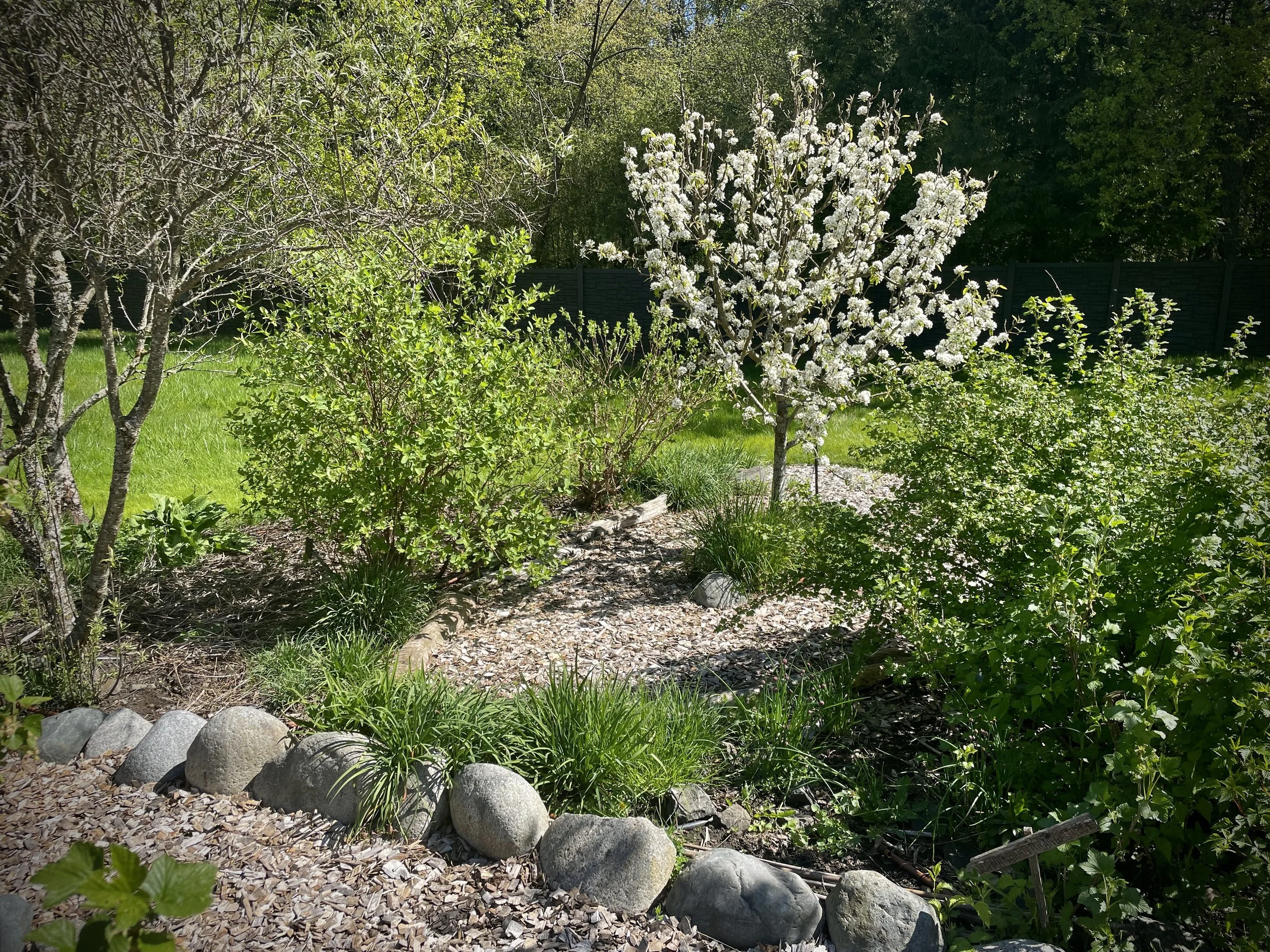
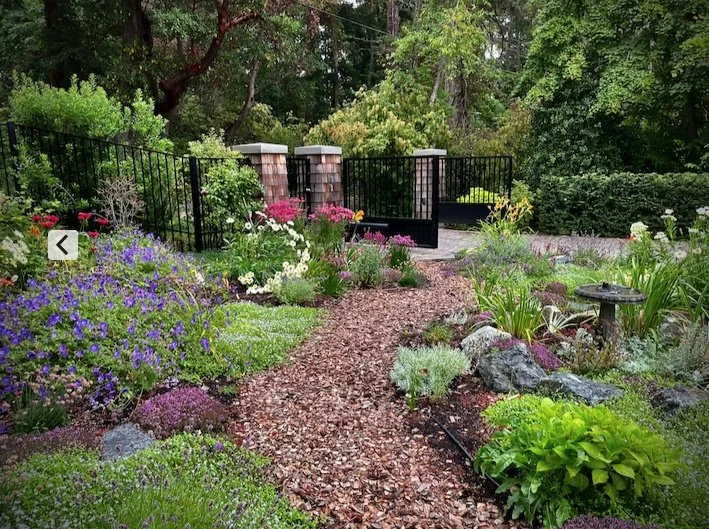
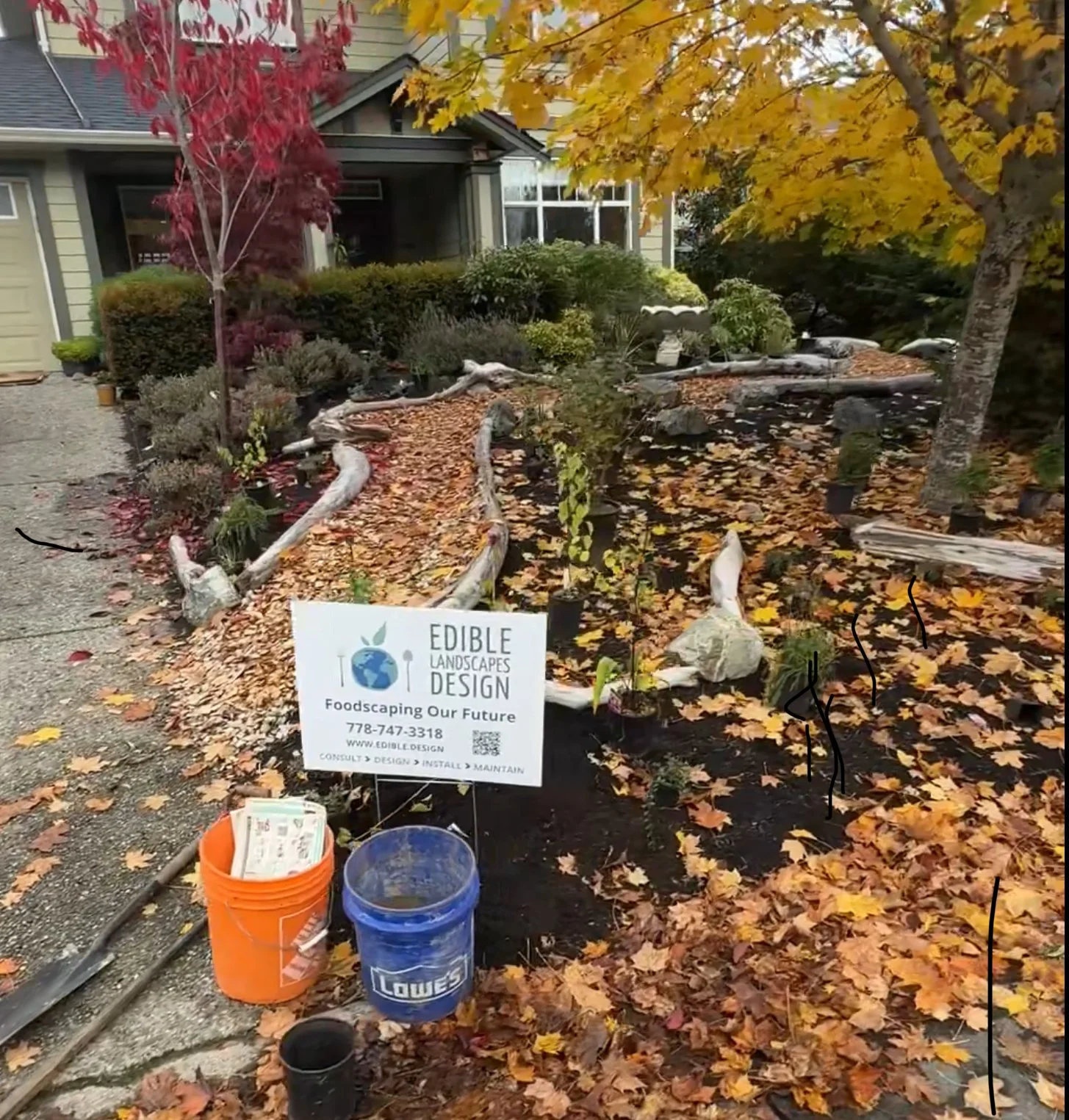
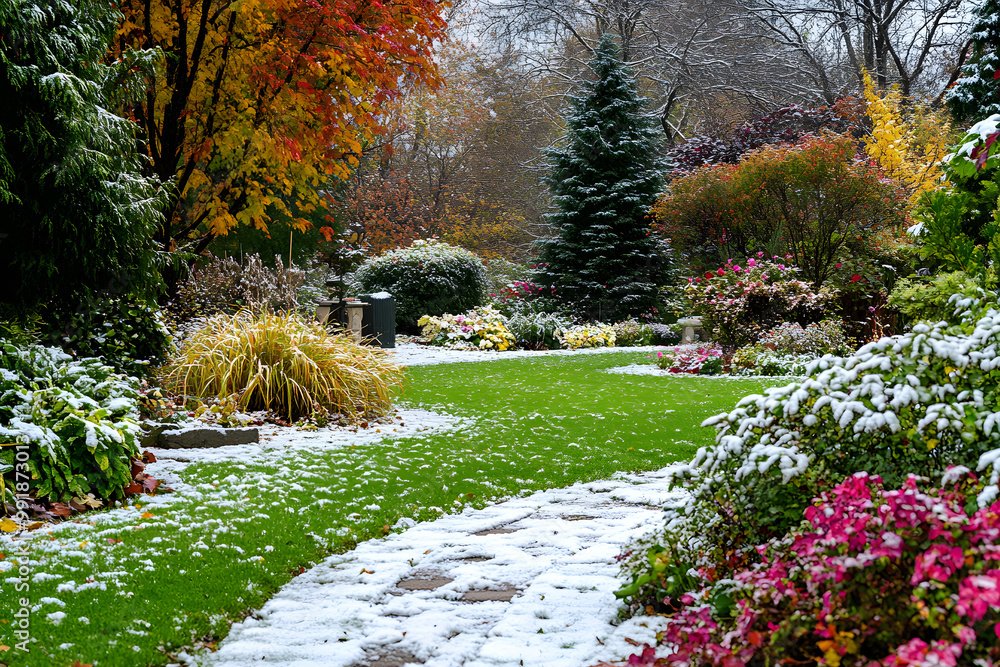
Gardens change through the year. Care works best when it follows those rhythms rather than fighting them.
These seasonal checklists offer calm, practical guidance for each phase of the garden cycle, helping you reduce overwhelm, prevent avoidable problems, and make thoughtful decisions at the right time.
Articles & Reflections
Longer pieces that explore lessons learned, patterns observed, and how gardens evolve over time.
These writings reflect on design, stewardship, and the lived experience of working with land across seasons and years.
Examples may include:
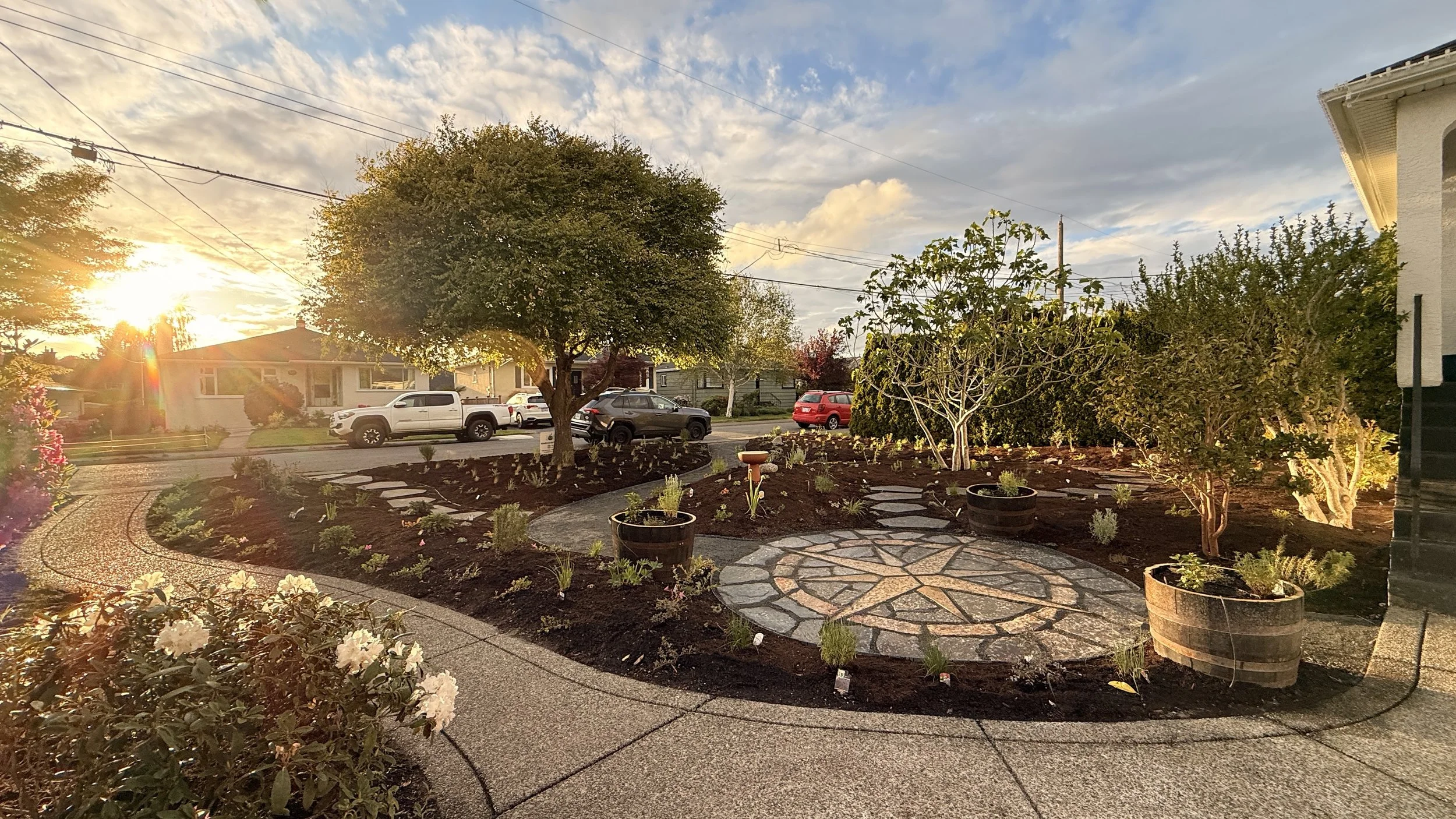
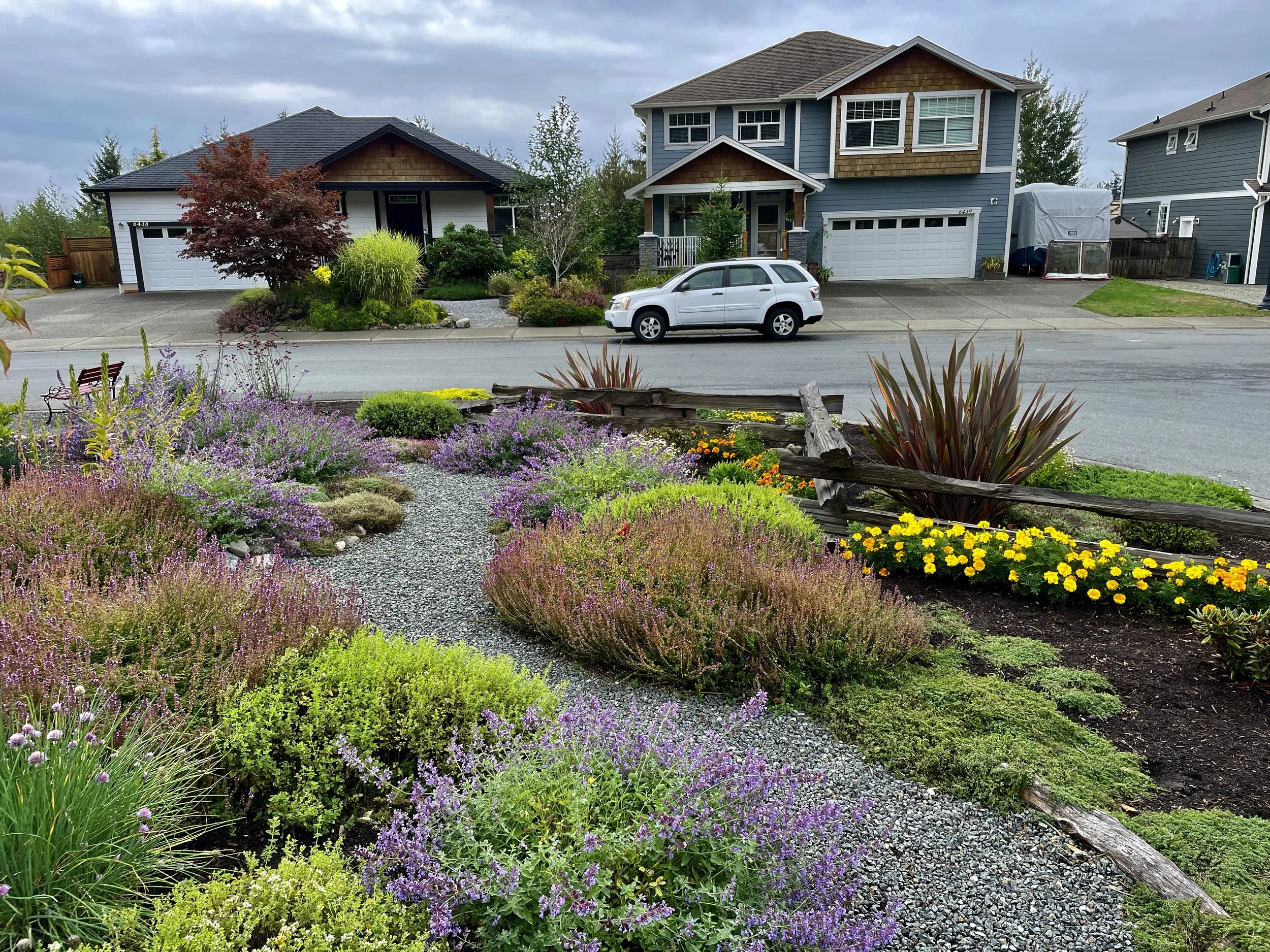
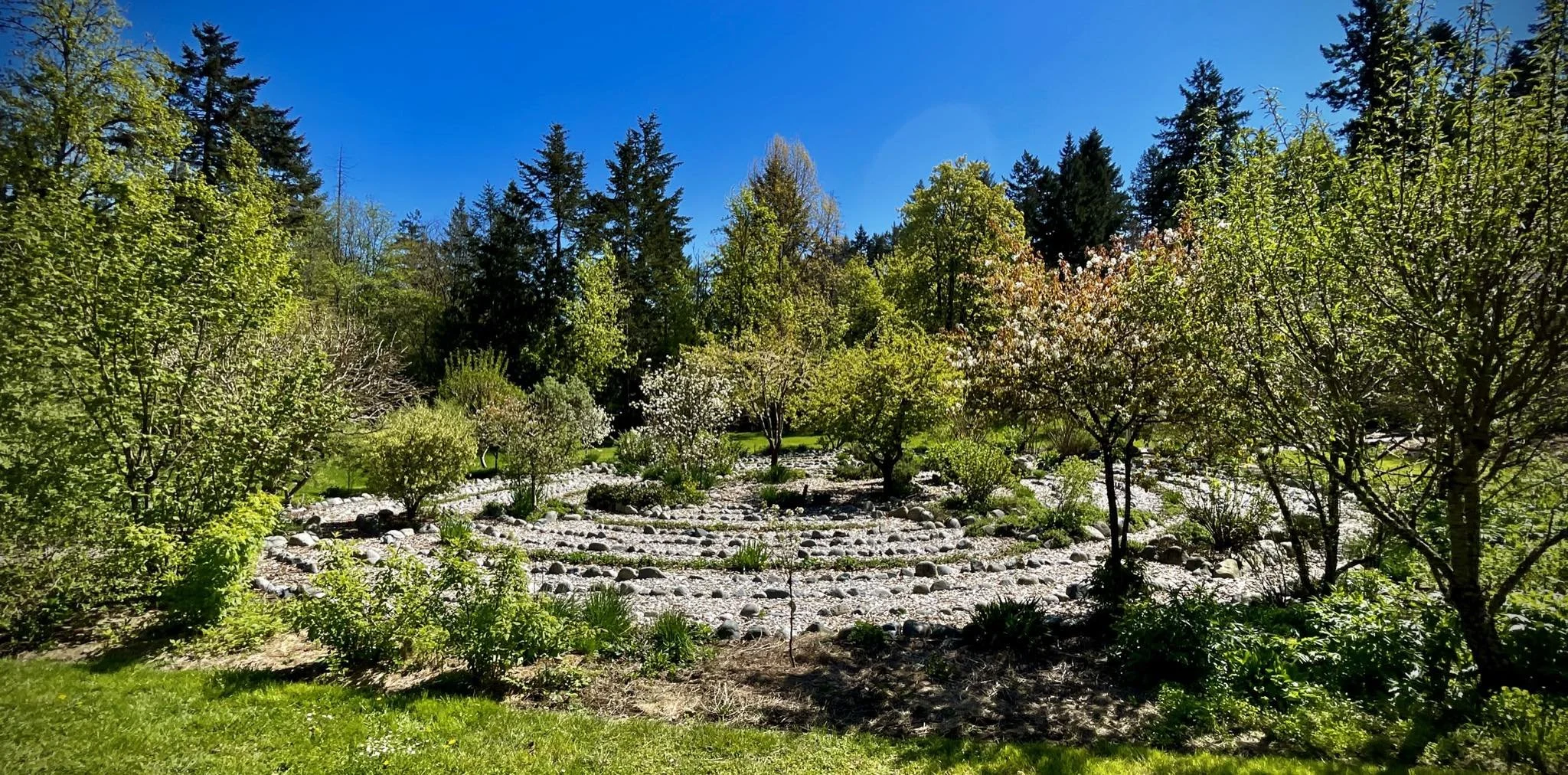
Project reflections
Lessons from long-term gardens
Observations from practice and experience
Learning Together
Events & Workshops
Throughout the year, we host and participate in workshops, walks, talks, and hands-on learning opportunities. These gatherings are designed to be accessible and grounded, offering space for curiosity, conversation, and practical insight.
Some events are seasonal and site-based. Others are more reflective or exploratory. All are rooted in the belief that learning happens best when people feel welcome, unhurried, and supported.
Resources We Trust
This is a small, curated collection of resources we return to in our own work — books, local growers, suppliers, and ideas that have proven useful in real gardens and real conditions. We keep this list intentionally short, favouring depth and reliability over breadth.
Think of this as a starting point, not a syllabus.
*COMING SOON*
Learning is ongoing
You don’t need to know everything to begin.
Most gardens teach as they grow, revealing what works through attention and care over time. If something here sparks curiosity, raises a question, or helps you feel a little more oriented, that’s enough.
And if you’d like support making sense of your own space, a conversation is often the simplest next step.