
Clarity Comes Before Abundance
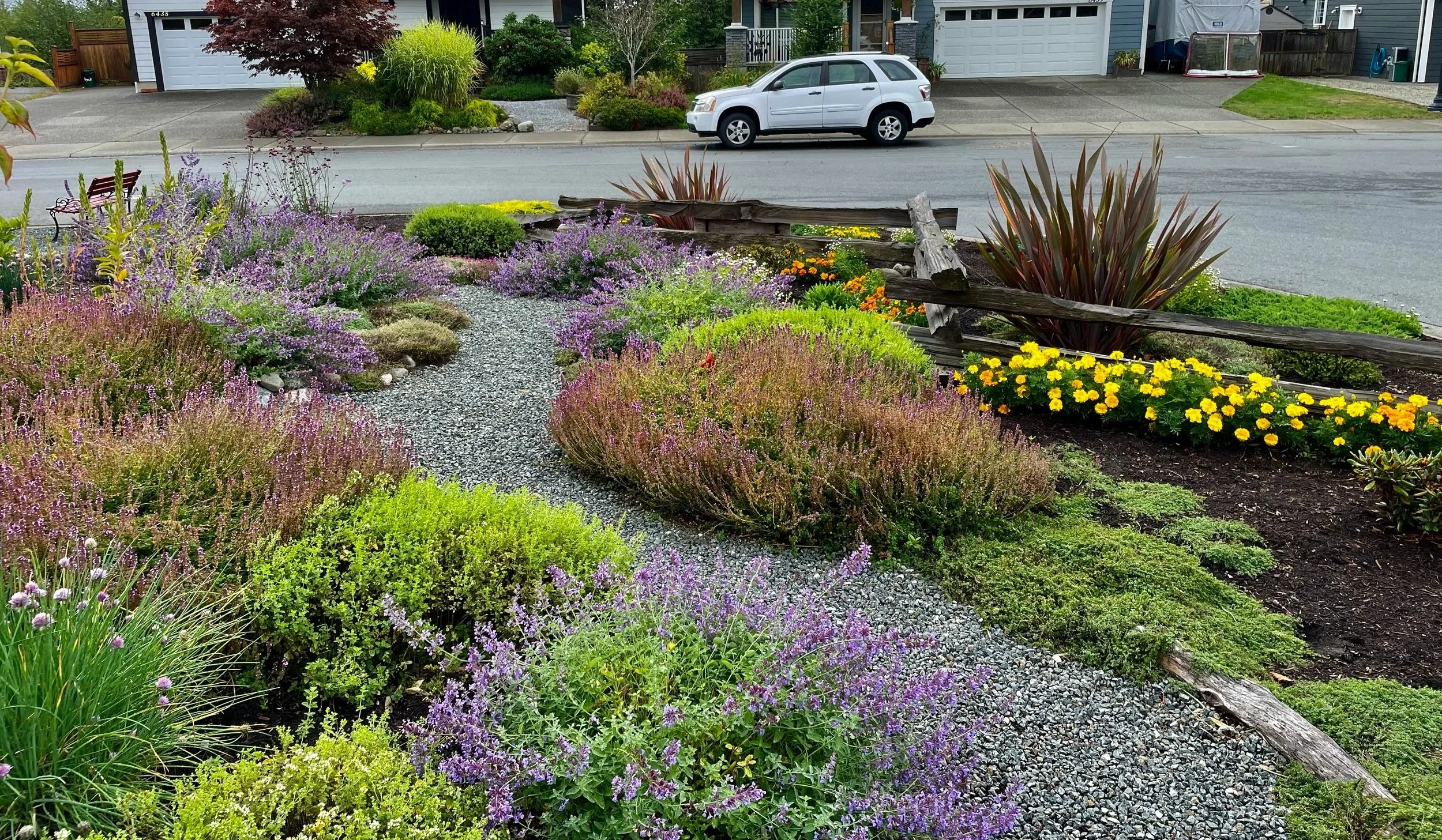
Most people don’t struggle with food gardening because they lack ideas. They struggle because they have too many.
By the time someone reaches out to us, they’ve often read books, saved photos, watched videos, and collected advice from well-meaning friends. They know what they like. They know what they don’t want. What’s missing is clarity about how all of it fits together — in their space, with their time, and within their actual lives.
Gardens don’t fail because people don’t care.
They struggle when care is spread too thin, too early.
A Garden Is a Living Conversation
A garden isn’t a project you complete.
It’s a relationship you enter into.
Soil responds to how it’s treated.
Plants respond to where they’re placed.
People respond to whether a garden feels supportive or demanding.
When we treat gardens like static plans or checklists, we miss the quiet feedback they offer. When we listen — really listen — gardens tell us what’s working, what’s not, and what’s ready to happen next.
Clarity comes from paying attention, not rushing ahead.
Why “More” Is Rarely the Answer
It’s tempting to believe that abundance comes from adding.
More plants.
More features.
More systems.
In practice, abundance more often comes from removing friction.
Clear pathways instead of cluttered beds.
Healthy soil before new plantings.
Strong foundations before expansion.
Some of the most productive and beautiful gardens we work with are also the simplest. Not because they lack imagination, but because each element has room to do its work.
Designing for Real Life
A garden that looks good on paper but feels overwhelming in daily life isn’t a success.
Real life includes busy seasons, shifting energy, changing priorities, and years when attention is limited. Designing with this in mind is an act of care — for both the garden and the people tending it.
Clarity means asking practical questions early:
How much time do you realistically have?
What do you enjoy doing, and what do you avoid?
What needs to work now, and what can wait?
When these questions are honoured, gardens become places people return to willingly — not out of obligation.
Letting Gardens Grow at Their Own Pace
Living systems don’t respond well to pressure.
Trees take time to establish.
Perennials need seasons to settle.
Soil improves gradually.
A good design respects this pace. It creates space for learning, adjustment, and growth over time rather than demanding everything all at once.
This approach doesn’t slow things down — it makes progress more sustainable.
The Quiet Role of Clarity
Clarity isn’t flashy.
It doesn’t announce itself with dramatic before-and-after photos or instant results. Instead, it shows up as steadiness. As confidence. As gardens that feel easier to live with each year rather than harder.
When clarity comes first, abundance follows naturally — not just in harvests, but in enjoyment, resilience, and connection.
That’s the kind of garden we aim to support.
If you’re feeling unsure where to begin, or if your garden feels close but not quite settled, a conversation is often the simplest place to start.