
Summer Garden Care (Sustain & Protect)
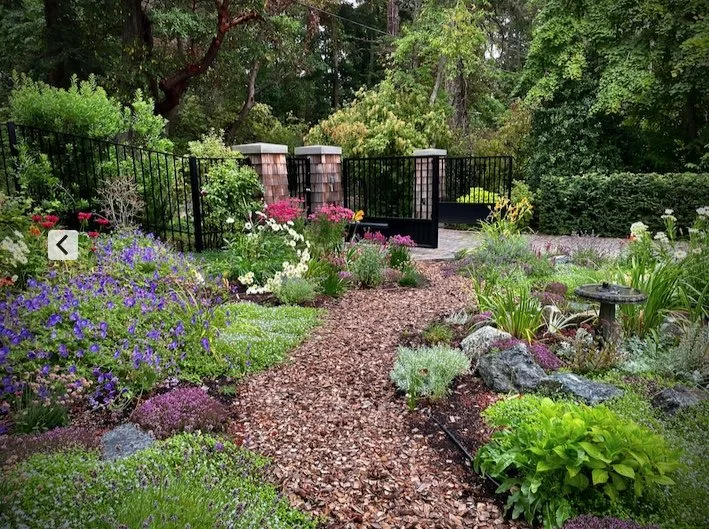
Summer Garden Care Checklist
Sustain, Protect, and Enjoy the Season
Summer is a season of intensity.
Growth accelerates, days are long, and gardens are under their greatest strain. Heat, drought, and competition peak at the same time plants are producing their hardest. How gardens are cared for in summer often determines whether they remain nourishing or become overwhelming.
This summer garden care checklist is not about doing more. It is a way to sustain plant health, protect soil and water, and keep the garden enjoyable through the height of the growing season.
Why Summer Garden Care Matters
Most garden burnout happens in summer.
Plants grow faster than expected.
Water demands increase.
Small issues escalate quickly under heat and stress.
Thoughtful summer care reduces loss, conserves energy, and keeps gardens productive without constant intervention.
1. Observe Stress Signals Early
Summer stress often appears before visible decline.
Wilting during heat
Yellowing or scorched leaves
Reduced flowering or fruit set
Early observation allows for gentle corrections before plants weaken.
2. Water Deeply and Intentionally
Effective watering supports roots, not foliage.
Water deeply and less frequently
Focus on soil moisture rather than surface wetness
Adjust schedules during heat waves
Inconsistent or shallow watering is one of the most common causes of summer plant stress.
Optional support
We can assess irrigation systems, adjust emitters, and optimize water delivery for changing summer conditions.
3. Protect Soil from Heat and Evaporation
Bare soil suffers in summer.
Mulch to retain moisture and moderate temperature
Shade soil where possible with living plants
Avoid unnecessary disturbance
Protected soil buffers plants against heat and drought stress.
4. Prune and Thin Selectively
Summer pruning is about restraint.
Remove damaged or diseased growth
Thin overcrowded plants to improve airflow
Avoid heavy pruning during extreme heat
Selective pruning reduces disease pressure without triggering excessive regrowth.
5. Feed Gently, Not Aggressively
Summer feeding should support steady growth.
Use compost teas or diluted organic feeds
Avoid high-nitrogen fertilizers during heat
Watch plant response before adding more
Overfeeding in summer often leads to soft growth that attracts pests and disease.
6. Manage Weeds While They Are Weak
Weeds are easiest to manage when young.
Remove before they set seed
Mulch exposed soil
Focus on high-impact areas rather than perfection
Healthy soil and good spacing reduce weed pressure naturally.
7. Support Fruit and Heavy Growth
Summer weight can strain plants.
Stake or support heavy crops
Check ties and trellises
Prevent breakage before it happens
Structural support now prevents mid-season losses.
8. Harvest Regularly and Thoughtfully
Harvesting is a form of care.
Harvest frequently to encourage continued production
Remove damaged or overripe fruit
Notice what is producing well and what is not
Regular harvesting supports plant health and informs fall planning.
9. Reduce Pressure Where Possible
Summer is not the time to expand aggressively.
Pause major redesigns unless necessary
Focus on care rather than expansion
Allow some areas to rest
Restraint preserves energy for fall preparation.
10. Make Space to Enjoy the Garden
Summer is also for living.
Sit, eat, and gather in the garden
Notice what brings ease as well as abundance
Let the garden support daily life rather than compete with it
Gardens that are enjoyed are more likely to be cared for well.
Seasonal Garden Care
Summer garden care is part of a larger seasonal rhythm.
Each season builds on the last, creating gardens that are easier to care for and more resilient over time.
Support That Fits Your Garden
Some people enjoy tending their gardens closely in summer. Others prefer guidance or hands-on support to reduce stress during peak growing months. Many choose something in between.
We support gardens at different levels, depending on what is most helpful for the season and the site. This may include:
Irrigation assessment and adjustment
Mulching and soil protection
Mid-season pruning and plant support
Troubleshooting plant stress and decline
Targeted maintenance to reduce overwhelm
If you are unsure what kind of support makes sense for your garden, a conversation is often the simplest place to begin.